Giving
The impact of philanthropy
The School of Veterinary Science is dedicated to providing exceptional care to pets and all animals through the provision of outstanding veterinary education, world class research and the highest standards in the practice of veterinary science.
Over the years philanthropic support from alumni, clients, partners and animal lovers has enabled the advancement of veterinary science and care. Many past clients of UQ VETS have made heartfelt bequests and donations after receiving lifesaving treatment to their beloved pets.
Your continued support will enable first class veterinary care and research that is impacting the health and welfare of animals, wildlife and the broader welfare issues of pets in shelters.
Thank you to recent donors who have helped make a difference in supporting these projects;
-
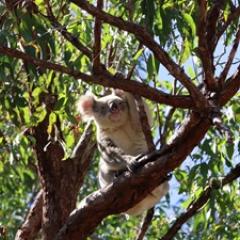
Wildlife rehabilitation area – allowing vital recovering time for injured wildlife
-
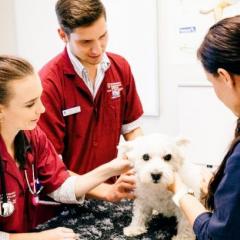
Veterinary Equipment – ensuring our pets are treated with the latest and best technology
-
Research into feline diabetes – discovering better ways to diagnose, treat and manage diabetes in cats
-
Research to improve the health and welfare of animals – helping pets to live happier healthier lives
-
Scholarships to allow rural placements for students – helping students to help our country animals and pets
-
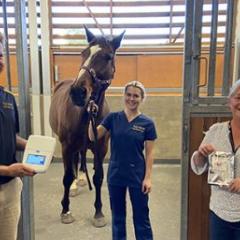
Research into Equine Laminitis – discovering ways to unlock the mystery of this debilitating disease in horses
Your support makes a huge difference in helping animals and pets live healthy enriched lives.
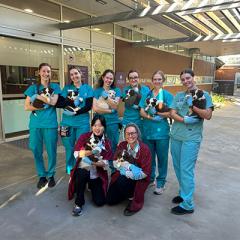
Watch our UQ VETS team (below) and listen to Dr Bob Donnelly explain how much your support is appreciated (YouTube, 1m:34s).
As part of UQ’s If Not, When philanthropic campaign we have a number of opportunities that will have enormous benefits to our future veterinary science graduates, to our pets and animals of all sizes including our native wildlife.
Gifts of any size are appreciated and can be made by visiting the UQ Giving website
Or if you wish to discuss some of the major donor funding needs please contact the Faculty’s Philanthropy Manager for a more detailed conversation on how your support can make a huge difference J.keith2@uq.edu.au Tel +61 7 334 60661 or M: 0421 587 278
Leaving a Bequest
Bequest to UQ’s Veterinary School will ensure vital medical and educational services will continue for many years to come. By making a bequest you will leave a lasting legacy that will make a world of difference to animals, pets and wildlife in need of emergency care and treatment.
For further information about how to make a bequest
Philanthropy impact stories
UQ Vets help pets with cancer
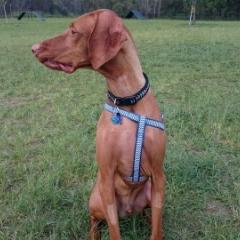
Nine-year-old Rhodesian ridgeback cross Gus has participated in an innovative Australian pilot study for dogs with cancer, which has achieved some positive results.
Bach’s a basic to calm shelter dogs

Dogs stressed by animal shelter life may benefit from soothing classical music and whiffs of lavender.
Researchers from The University of Queensland have investigated simple sensory and behavioural interventions that could help manage canine stress, and increase the adoptability of dogs in shelters.
Generous gift benefits current clients and future vets at Dayboro
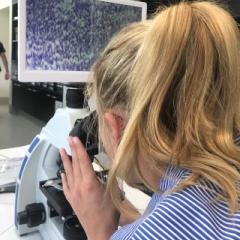
The University of Queensland’s Dayboro Vet Clinic will improve student training in diagnostic microscopy and pathology techniques while benefitting current patients thanks to a generous donation towards specialised equipment.
Celebration of veterinary care for all creatures great and small
On World Veterinary Day (April 28), The University of Queensland celebrated its contributions to the improved treatment and welfare of wildlife, equine, companion and production animals globally.
Pets and community benefit from Cherbourg team partnership

A University of Queensland alumnus is part of a successful team effort providing education, training and improved pet health in Cherbourg, Queensland.
UQ Vets treatment helps Louis breathe easier
A canine client and his owner are breathing (and sleeping) easier thanks to an innovative procedure performed by the UQVETS specialist team from the University of Queensland’s Small Animal Hospital.